A Tesla in Los Angeles County doesn’t carry one charging price. Your kWh rate follows LADWP, Southern California Edison, or Clean Power Alliance. That split is by city. The honest number is on your latest bill, not in a countywide average.
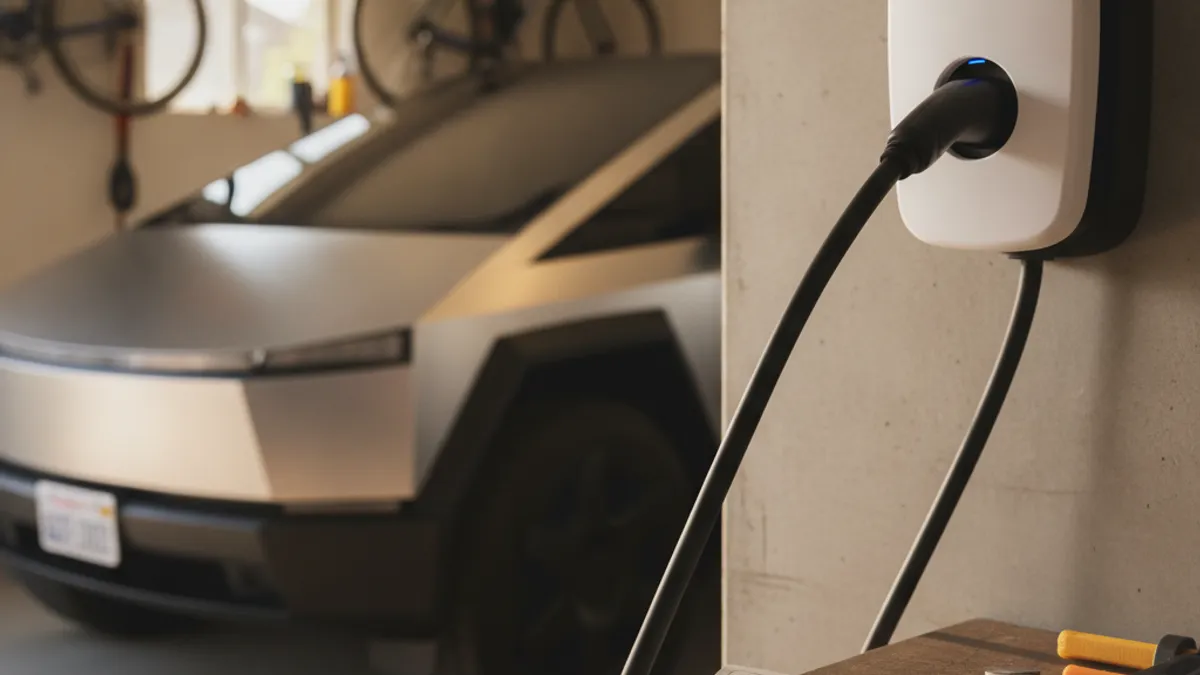
Your utility, not the car, sets the bill
The City of Los Angeles is LADWP territory. LADWP is the largest municipal utility in the United States. Most other cities sit in Southern California Edison territory. Many of those cities buy generation through Clean Power Alliance. CPA started in 2017 and serves 38 communities. CPA buys the power. SCE still delivers it, maintains the lines, and reads the meter. The bill shows two line items.
CPA members here include Culver City, Santa Monica, West Hollywood, and Beverly Hills. Manhattan Beach, Redondo Beach, Malibu, Calabasas, Carson, and Downey are in too. Rescue dispatch doesn’t change with CPA. Your home kWh price does.
Glendale, Burbank, Pasadena, and Azusa run their own municipal utilities. Glendale Water and Power and Burbank Water and Power set their own rates. So do Pasadena Water and Power and Azusa Light and Water. We couldn’t confirm an EV rate on each city’s site. Ask that utility before you copy an SCE or LADWP schedule.
Price a home charge from your bill, not an article
Skip internet averages. They mix other states and old rate cases.
Start with the kWh your Tesla reports for the session you want. The car and the app show energy added. We’re not listing pack sizes by model. Those figures change by year and trim. We couldn’t verify a current Tesla pack table from Tesla’s site. Trust the number on your screen.
Then read the cents per kWh for the hours you actually plugged in. Peak, off-peak, and any EV schedule print on the statement. LADWP publishes a dedicated EV time-of-use rate that needs a separate EV meter. Confirm the live schedule on ladwp.com. SCE publishes EV rate plans on sce.com. CPA generation is its own line while SCE still handles delivery. Those pages change. Last winter’s bill isn’t this month’s rate.
Charging isn’t perfectly efficient. Some energy leaves the wall as heat in the cable and the pack. Wall draw runs higher than the kWh that show up as miles. Your Tesla session screen is the honest tally.
Multiply wall energy by the rate that applied. That product is your home charge cost. It’s a method, not a quote from us. Charge Pro LA doesn’t set electricity prices.
The same Tesla, different streets, different bills
East Los Angeles and Santa Clarita can hold the same Model Y. The household bill still diverges.
Eastside housing is older. Census figures put 86.2% of East Los Angeles homes as built before 1980. Whittier is 88.9% pre-1980. Older panels and shared meters show up in that stock. A Level 2 wall connector often needs a circuit the house never had. Until that work is done, owners use a 120-volt outlet or a public stall. That mix changes cost per mile. Our guide on an old panel versus mobile charging covers that backup.
Santa Clarita is newer. Only 30.4% of its housing predates 1980. Stevenson Ranch is only 3.4% pre-1980. Those streets more often have a garage and a 240-volt path. Overnight charging on a time-of-use EV plan is usually cheaper at home. That holds once the 240-volt circuit exists. Confirm the installer’s quote and the utility’s current EV rate. We don’t publish install prices.
Coastal CPA cities still get SCE delivery. Don’t read an SCE-only table as the whole bill. The generation line is CPA.
Inland valleys run hotter than the beaches. Antelope Valley nights can also get cold. Heat and cabin climate mean more kWh for the same commute.
Fast charging is a different product
A Tesla Supercharger, or any DC fast stall, sells speed. You pay the network’s posted kWh price at that cabinet. Home Level 2 on an off-peak EV rate is usually cheaper per kWh. We couldn’t verify a current Supercharger price table for this county. Read the live rate in the Tesla app before you start.
Home 240-volt charging versus a mobile Level 2 boost is a separate question. A mobile rescue isn’t home electricity. The operator quotes you before work starts and bills you directly. Charge Pro LA doesn’t set that price, own trucks, or employ technicians. It matches you with independent local operators.
Rebates help the install, not last night’s kWh
LADWP runs a Residential EV Charger Rebate Program. It can help with a Level 2 charger and a dedicated EV meter. It also lists a Used Electric Vehicle Rebate Program. Confirm amounts and eligibility on ladwp.com.
SCE lists Charge Ready Home for Level 2 installation help. It also lists a Pre-Owned EV Rebate. Confirm both on sce.com. Older point-of-sale names still circulate on third-party pages. Treat those figures as unconfirmed until SCE’s own site lists them.
CPA is a generation choice. It doesn’t replace SCE’s wires. Glendale, Burbank, Pasadena, and Azusa may offer their own EV programs. We haven’t verified those program names on each utility’s page. Call that utility before you count on a rebate.
An empty pack isn’t a home-rate problem
Home math doesn’t apply on the shoulder of the 405 or the 10. Metro Freeway Service Patrol is free on congested county freeways. Its published list names gas, tires, and a tow. It doesn’t name mobile EV charging.
If you can’t plug in, mobile EV charging is the on-site option. Operators typically add about 10 to 20 miles of range. That takes 15 to 30 minutes of charging. That window is charging time, never an arrival time. How those jobs get quoted is in our Los Angeles County quoting guide.
Call (858) 925-5546 for a mobile boost where you sit. Charge Pro LA connects you with a local operator, who quotes before starting.
How much does it cost to fully charge a Tesla at home here?
There’s no single county figure. Multiply session kWh by the rate on your LADWP, SCE, or CPA bill. Confirm the live schedule with your utility. We don’t publish a dollar total here because those rates change.
Is it cheaper to charge a Tesla overnight in Los Angeles County?
Often yes, on a time-of-use EV plan inside the off-peak window. LADWP’s EV rate needs a separate EV meter. SCE and CPA customers should read both lines on the bill. There’s no single overnight window for the whole county. Check the hours printed on your schedule.
Does charging at a Supercharger cost more than charging at home?
Usually yes, per kWh, because DC fast charging is priced for speed. Compare the live Tesla app rate with your home off-peak rate. We couldn’t confirm a current Supercharger tariff for this county. Treat the Tesla app as the authority.